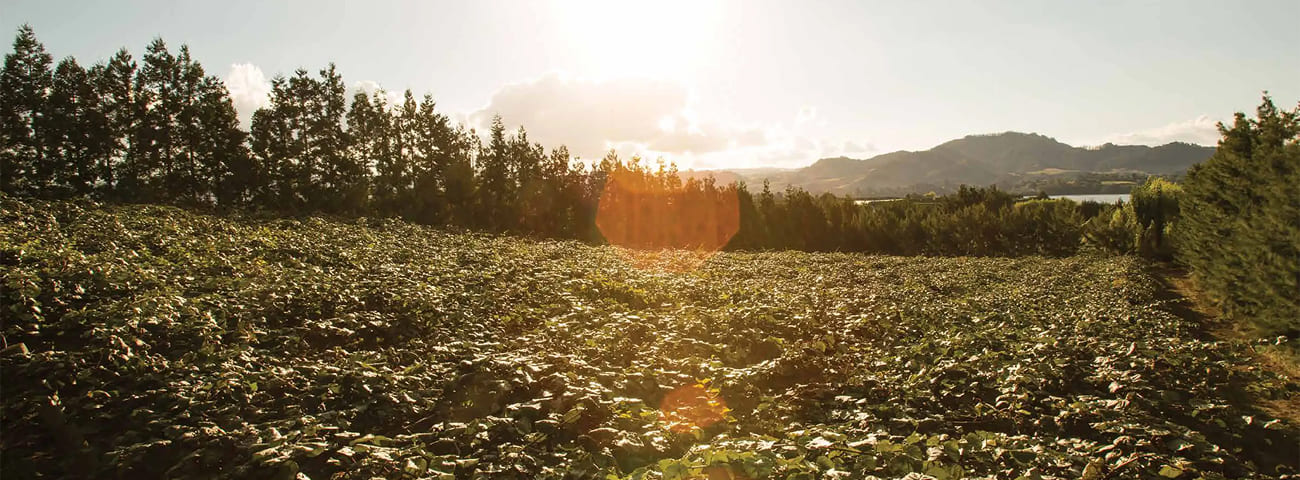
The first kiwifruit harvest of the 2026 season was a true family affair, with three generations of South Auckland orchardist Pav Singh Gakhal’s relatives helping to pick five hectares of the Red variety of kiwifruit over the weekend. It’s the 26-year-old’s first proper crop on the new development, which he runs with brother Deep, wife Jas, parents Major and Jaswinder, and lots of support from siblings, cousins and nieces and nephews. “We struggled last year and learned some really good lessons and put in a lot of hard work,” he said, during a break in harvest. “We’re pretty happy with the size we’ve managed to achieve this year and we’re really excited to see our kiwifruit get out to customers around the world,” says Pav Singh Gakhal.
Zespri’s sweet, berry-tinged tasting RubyRed is the first variety which is picked for supermarket shelves in New Zealand and some overseas markets, followed shortly after by the Gold and Green varieties. The harvest traditionally peaks in mid-April and runs through until June.
Despite periods of rough weather across New Zealand’s kiwifruit regions, overall crops have been given a reasonable opportunity to grow and, at this time are forecast to reach a new record production of just over 221 million trays of kiwifruit. This volume is slightly more than last season’s record-breaking crop of almost 217 million trays. On average, each tray has around 30 pieces of kiwifruit.
Growers from Northland to the top of the South Island experienced issues with wind, rain and hail throughout the season and will be relieved to get their fruit off the vines. The recent severe weather across the North Island has been devastating for all those impacted. Against this backdrop, there have also been impacts on a handful of growers from the kiwifruit industry which are still unfolding. While New Zealand Kiwifruit Growers Inc. (NZKGI), the wider industry, and its partners are supporting growers who were affected by surface flooding and slips, the total number affected is relatively small and will not have a significant impact on this year’s production.
The fragility of State Highway 2 to truck kiwifruit through the Waioweka Gorge has created uncertainty for Gisborne growers who have their fruit packed in Ōpōtiki. The East Coast region currently includes approximately 644 hectares of kiwifruit. NZKGI acknowledges and appreciates the strong communication from the NZ Transport Agency Waka Kotahi and Downer, as well as the high priority being placed on reopening the highway. The alternative route through Taupō and Rotorua is significantly longer, creating additional costs and delays. “If State Highway 2 and this lifeline through Taupō were to be inaccessible for an extended period, there would be a material impact on the profitability of the East Coast and also Hawke’s Bay harvests, as well as on the industry’s economic contribution to these regions. Our kiwifruit industry contributes around $100 million to the Gisborne economy, and increased transportation costs would affect this,” says NZKGI CEO Colin Bond.
Growers as well as the local communities across New Zealand which profit from the success of New Zealand’s kiwifruit industry will breathe a collective sigh of relief when the fruit comes off the vines. Kiwifruit is New Zealand’s largest horticultural export and in 2024/25, contributed some $3bn to the regions where it is grown. Strong demand means that the New Zealand kiwifruit industry is experiencing rapid growth with sales expected to jump from $4.9 billion (211.6 million trays) in 2026 to $6.2 billion (239.7 million trays) in 2030.
From around March to June, a large seasonal workforce is needed to pick fruit off orchards and work in packhouses. “Harvest is a peak period for the kiwifruit industry, with a wide range of roles available to suit different people,” says Colin. Packhouse roles operate on shifts and include sorting, grading, packing, forklift driving and machinery operation. While some positions require specific skills, many do not, making it an accessible opportunity for a broad workforce. “It’s a chance to earn while being part of a fun, supportive team.”
In 2025 the average pay rate for tasks on orchards was 11% above minimum wage, around $25.70 an hour. Rates varied from just above minimum wage to almost $50 an hour. Similarly for packing in 2025, the average pay rate for an unskilled worker in a packhouse was $25.63 and $28.54 for a skilled worker.
The industry employs inclusively, attracting retirees, parents and students, particularly those living near orchards and packhouses. Picking suits people who enjoy working outdoors, while packhouse roles are ideal for those who thrive in busy, team-based indoor environments. With year-round operations, motivated workers can continue beyond harvest, with pathways into technical, scientific, commercial and orchard management roles.
Those interested in participating in harvest can visit the NZKGI website www.NZKGI.org.nz/seasonal-work, which has information on working in the industry, including a list of employers.
Zespri CEO Jason Te Brake says it’s exciting to see the 2026/27 harvest getting underway with growers positive about how fruit is looking.
“We’ve started 2026 on the back of Zespri’s largest ever crop and strong global demand. With another large crop of Zespri Green, SunGold and RubyRed Kiwifruit to deliver to our 50 markets around the world, our focus will be on fruit quality through a smooth, consistent harvest as that’s key to maximising value.
“Our customers and teams in market are coming off a strong Northern Hemisphere season which sets us up well for the New Zealand season, with our markets looking forward to receiving New Zealand-grown fruit and sales getting underway in the coming months.
“We’re also looking forward to the industry coming together on 25 and 26 February for our Momentum conference where we’ll launch Zespri’s 2035 strategy and sharing how we’re positioning ourselves to continue delivering leading returns to growers through our ambition to become the world’s healthiest fruit brand.”
New Zealand’s kiwifruit industry is horticulture’s largest export with over 2,800 kiwifruit growers’ orchards located from Kerikeri to Motueka.